
The true cost of manufacturing waste
Many manufacturers are good at keeping track of their waste disposal costs, but only a few recognise they’re paying twice for their materials: once for initial purchase, and again for disposal
But what if that waste was avoidable?
Saving you not only money, but resources and strengthening environmental security and potentially even generating revenue from materials you’re currently discarding.
The pace of change is accelerating. The implementation of Extended Producer Responsibility (EPR) and Emissions Trading Scheme (ETS) is placing more responsibility and accountability on the producers and manufacturers, while escalating volatility in supply costs and accessibility is emphasising the critical need for businesses to make their resources work for them, rather than in reverse. Businesses that will thrive are those that stop treating waste as an inevitability and start treating it as a strategic opportunity.
Knowing where to start, however, isn’t always straightforward. In many businesses, there’s no single person or department taking clear ownership, or there’s a lack of visibility, and without meaningful data from waste suppliers, informed decision-making is almost impossible. Even where the will exists to do things differently, stretched teams, limited resources, and low stakeholder engagement can quickly stall progress.
Add in the complexity of managing multiple sites, diverse waste streams and an increasingly demanding compliance landscape and it’s easy to understand why strategic waste management so often gets pushed down the priority list.
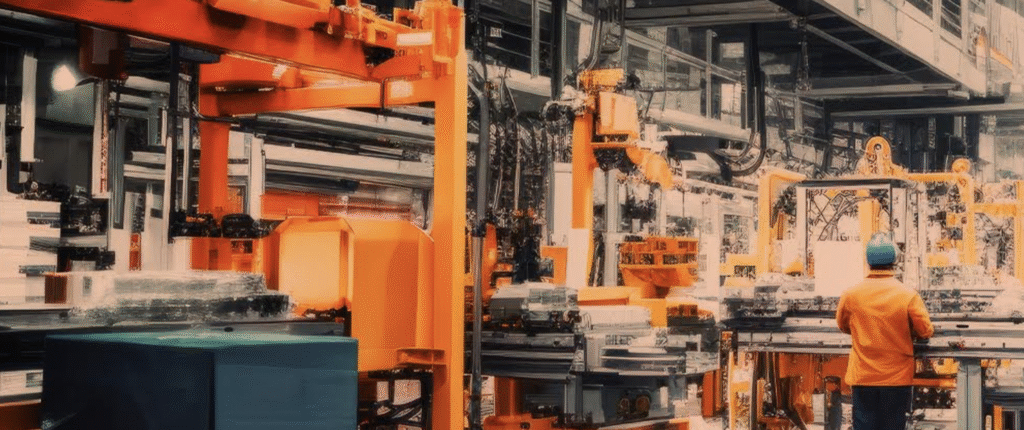
Veolia’s “True Cost of Waste” paper details the evolving environmental landscape and how manufacturers can view waste and resources strategically and as opportunities.
It also explains how Veolia Total Waste Management and its Triple Zero Pledge – zero harm, zero waste, zero carbon – benefits beyond collections and recycling rates, delivering concrete cost savings and security-driven results that help manufacturers achieve their goals.
© 2026 Marketing Masters Hub. All rights reserved.